The Role of Professional Associations in Shaping Sustainable Urban Development in Alberta

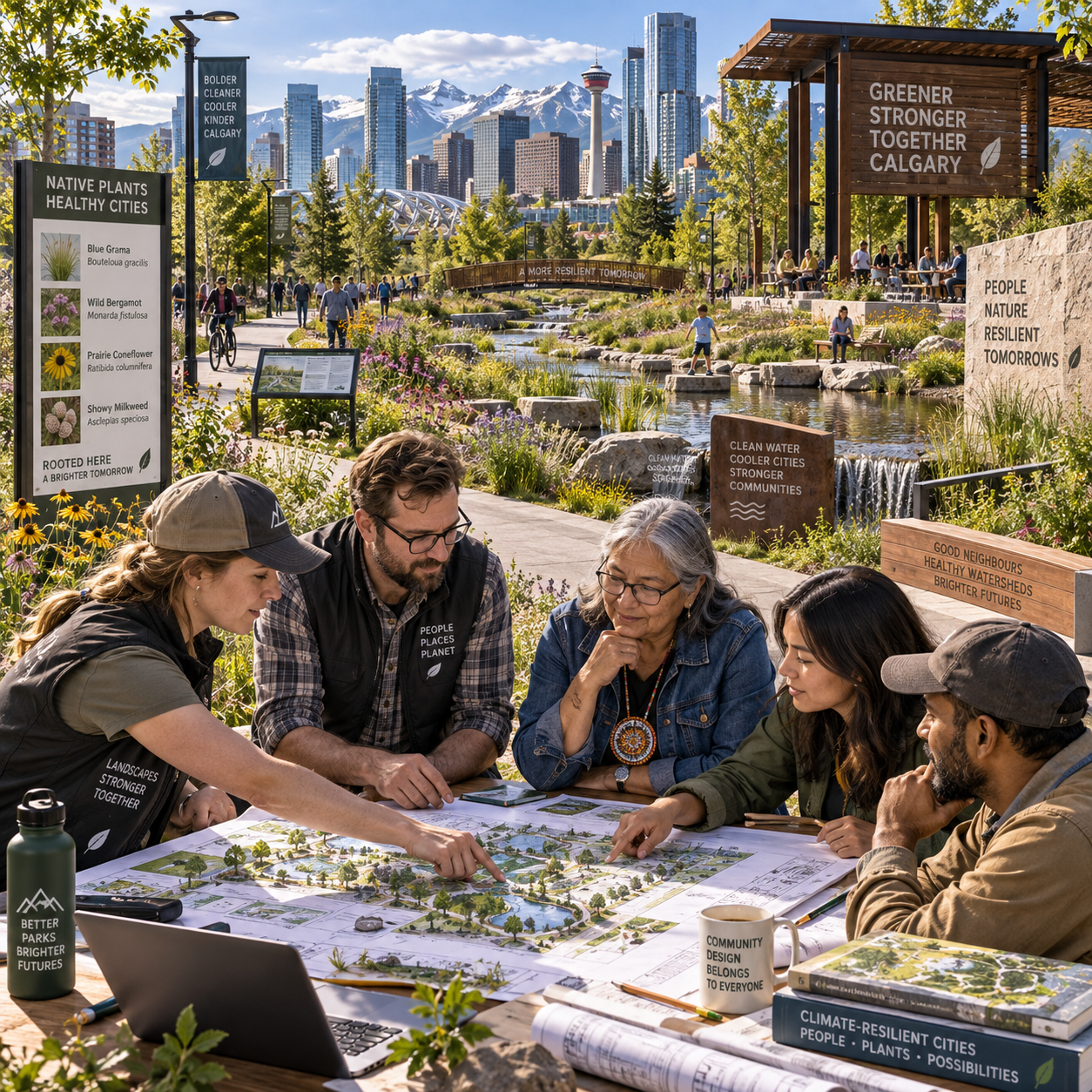
Professional associations help connect specialized knowledge with the public decisions that shape Alberta’s towns and cities. In sustainable urban development, they create channels for advocacy, education, ethical practice, and collaboration among landscape architects, planners, engineers, governments, developers, Indigenous communities, and residents.
An Alberta landscape architecture association can support this work by strengthening professional practice and helping decision-makers understand how land, water, vegetation, public space, and community life fit together. Its influence is usually collaborative rather than regulatory. The practical outcome is better-informed planning, more resilient public places, and stronger long-term stewardship.
Why Professional Associations Matter to Alberta’s Urban Future
Professional associations matter because they translate technical expertise into shared standards, public dialogue, and practical guidance for sustainable urban development. They give a profession a collective voice while helping members respond to changing environmental, social, and planning conditions.
Alberta’s urban areas face varied circumstances. A growing metropolitan district, an established neighbourhood, and a smaller community may have very different priorities. Cold winters, intense summer rainfall, drought risk, wildfire smoke, freeze-thaw cycles, and water-management pressures all affect design decisions. Professional associations help practitioners exchange knowledge about these local conditions instead of relying on one universal model.
They also connect individual projects to broader public goals. A streetscape redesign, for example, can influence stormwater management, walking comfort, local identity, accessibility, urban heat, and nearby business activity at the same time. Associations encourage professionals to consider these relationships early, when design choices are still flexible.
Their value can be understood through four functions:
- Representation: bringing professional perspectives into consultations and public discussions.
- Learning: sharing research, case studies, tools, and continuing professional education.
- Accountability: reinforcing professional standards and ethics.
- Connection: creating relationships across disciplines and communities.
This role does not replace municipal authority, elected decision-making, or public consultation. It improves the quality of information available to those processes.
Advancing Landscape Architecture in Sustainable Urban Planning
Landscape architecture supports sustainable urban planning by shaping the outdoor systems where ecological performance, mobility, recreation, health, and community identity meet. Landscape architects work across scales, from regional ecological networks to neighbourhood parks, streetscapes, campuses, and private developments.
At the site level, landscape architecture can guide grading, planting, soil restoration, pedestrian movement, shade, seating, lighting, and the relationship between buildings and open space. At the neighbourhood level, it can connect parks, active transportation routes, stormwater facilities, habitat areas, and civic spaces into a coherent public realm.
This systems perspective is especially useful when municipalities and developers face competing objectives. A plaza may need to support festivals, daily seating, accessible movement, snow storage, shade, drainage, and maintenance. Treating each requirement separately can produce conflicts. Integrated design identifies shared solutions, such as durable planting areas that provide shade, manage runoff, and improve the comfort of a busy pedestrian route.
Landscape architecture also contributes to placemaking. Public spaces become more meaningful when their materials, vegetation, layout, and programming reflect local history, culture, climate, and patterns of use. Good placemaking is not decoration added after planning. It is a way to support belonging, safety, social interaction, and everyday civic life.
Professional associations help communicate this contribution to audiences who may associate landscape architecture only with planting plans. Their advocacy and educational work can show how site design affects public health, infrastructure costs, ecological function, and long-term community value.
Influencing Policy, Standards, and Municipal Decision-Making
Professional associations influence municipal decision-making by offering informed advocacy, technical perspectives, and professional guidance, although they do not replace governments or guarantee policy outcomes. Their contribution is strongest when evidence, local experience, and public interest are brought together clearly.
An association may participate in consultations, respond to proposed planning documents, publish practice guidance, host policy discussions, or provide expert commentary on issues such as public-realm design, accessibility, urban forestry, and climate adaptation. These activities can help municipalities identify implications that are easy to miss when decisions focus narrowly on land use or construction cost.
Professional standards also shape policy indirectly. When practitioners share expectations for documentation, safety, stewardship, universal access, and ethical conduct, those expectations can influence how projects are scoped and evaluated. A municipal procurement process that recognizes qualified landscape architecture expertise, for instance, may lead to more integrated design outcomes.
There are limits. An association may recommend a policy direction, but elected officials, municipal staff, regulators, landowners, and the public determine whether and how it is adopted. Advocacy is most credible when it acknowledges trade-offs, including maintenance budgets, development feasibility, land availability, and differing community priorities.
For decision-makers, a useful question is: What evidence, expertise, and lived experience should inform this choice before it becomes difficult or expensive to change? Professional associations can help answer that question without claiming authority they do not hold.
Building Climate-Resilient and Nature-Positive Communities
Climate-resilient design uses landscape systems to help communities manage heat, heavy rainfall, drought, biodiversity loss, and other local risks while improving everyday quality of life. In Alberta, solutions must account for seasonal extremes and the practical demands of maintenance and winter operations.
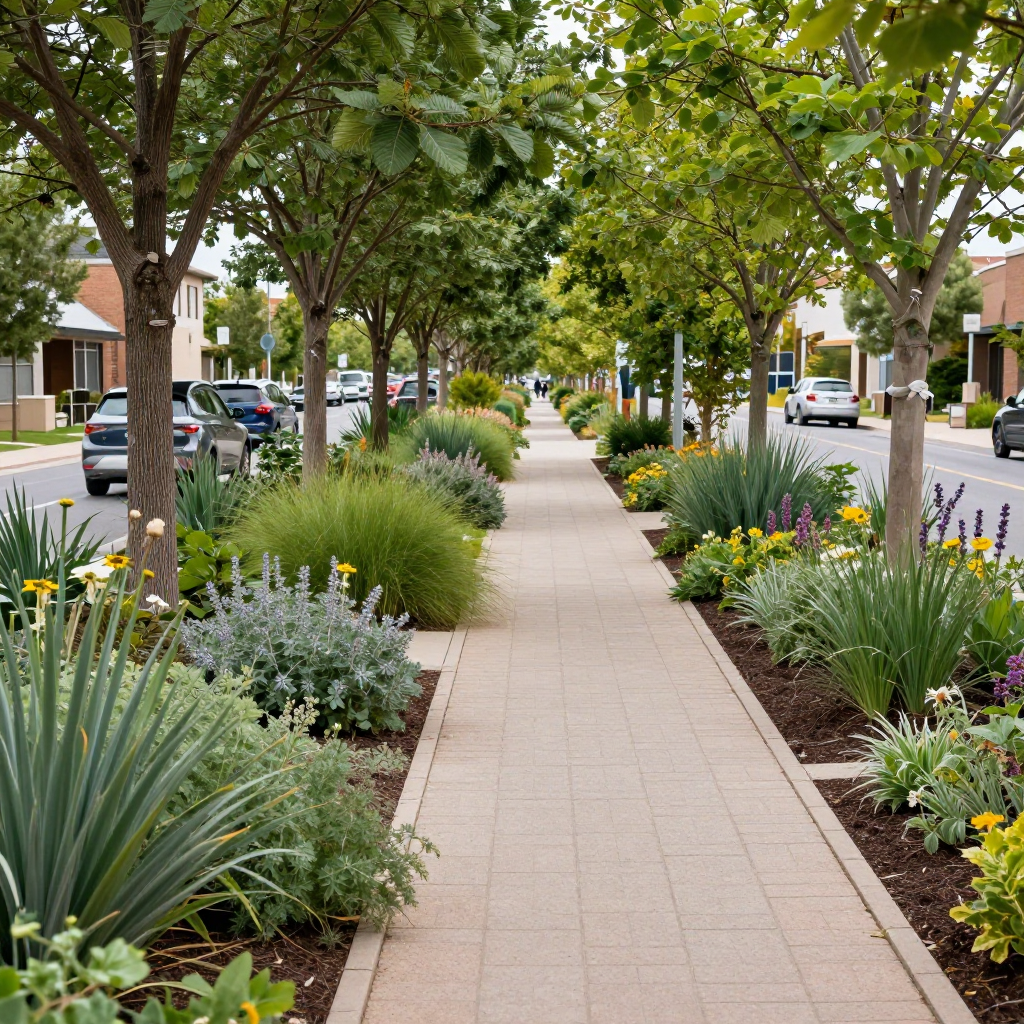
Green infrastructure is central to this work. It includes connected natural and designed systems such as rain gardens, bioswales, permeable surfaces, tree canopy, wetlands, restored soils, and multifunctional parks. These elements can slow and filter runoff, support habitat, reduce heat exposure, and make public spaces more comfortable.
Water-sensitive design is particularly valuable. Instead of moving all rainfall away through underground pipes as quickly as possible, a project can use grading, planting, soil, and storage to manage water closer to where it falls. The right approach depends on soil conditions, contamination risks, maintenance capacity, winter performance, and the intensity of expected storms.
Urban forest strategies provide another layer of resilience. Well-chosen trees can offer shade and habitat, but they require adequate soil volume, irrigation planning during establishment, protection from construction damage, and species diversity. Planting more trees without planning for their survival creates a short-term visual gain and a long-term maintenance problem.
Nature-positive planning also requires protection of existing ecological assets. Mature trees, wetlands, natural corridors, and functioning soils may provide services that are expensive or impossible to recreate. Associations can encourage practitioners and municipalities to assess these assets early, then combine ecological protection with accessible recreation and inclusive public space.
Supporting Professional Competence and Ethical Practice
Professional associations improve project outcomes by supporting competence, continuing professional education, knowledge sharing, mentorship, and ethical practice. These mechanisms help practitioners keep pace with changing climate science, construction methods, accessibility expectations, ecological knowledge, and community needs.
Continuing professional education may include technical seminars, site visits, workshops, research presentations, peer discussions, and interdisciplinary forums. A session on soil volume can affect urban tree survival; a workshop on engagement can improve how a project hears from renters, youth, seniors, or people with disabilities. The value lies in applying learning to decisions, specifications, and construction review.
Ethics matters because urban projects distribute benefits and burdens. A design may increase property value while displacing informal uses, remove habitat for convenience, or create a beautiful space that is inaccessible to people with mobility limitations. Ethical practice asks who benefits, who bears the cost, whose knowledge is included, and how the place will be maintained over time.
Credentials and professional standards can signal preparation, but they are not substitutes for judgment. Choosing high-performance materials may improve durability in one context while increasing embodied impacts, procurement complexity, or repair difficulty in another. Associations can help members examine these trade-offs rather than promoting one solution as universally correct.
Strengthening Collaboration and Community Engagement
Collaboration and community engagement make sustainable urban development more legitimate, usable, and locally grounded. Landscape architects often help translate between technical systems and the lived experience of residents, but effective collaboration requires every discipline and knowledge holder to participate meaningfully.
Successful projects may involve landscape architects, municipal planners, engineers, architects, ecologists, transportation professionals, developers, maintenance teams, accessibility specialists, Indigenous communities, and neighbourhood residents. Each group sees different risks and opportunities. Maintenance staff may identify operational problems that are invisible in a concept plan. Residents may reveal seasonal uses that a daytime site visit misses.
Engagement should begin before the preferred design is fixed. Clear questions, accessible materials, multiple participation formats, and transparent explanations of constraints help people contribute constructively. Consultation cannot promise that every request will be adopted. It should explain how input was considered and why decisions were made.
Indigenous engagement requires particular care. Local protocols, rights, relationships to land, and community priorities should not be reduced to visual motifs or symbolic naming. Practitioners need to identify the appropriate parties, allow sufficient time, and recognize that meaningful collaboration may affect project scope and schedule.
Professional associations can strengthen this culture by hosting interdisciplinary events, sharing engagement methods, and encouraging members to treat community knowledge as project information rather than a final approval hurdle.
How Alberta Professionals Can Participate
Alberta professionals can participate by joining relevant associations, pursuing continuing education, contributing to consultations, sharing practice knowledge, and building interdisciplinary relationships. Small, consistent actions can expand professional influence beyond individual projects.
- Join and stay active in an association. Attend meetings, review consultation opportunities, and contribute to committees or working groups connected to landscape architecture and urban development.
- Build a learning plan. Choose education related to climate-resilient design, green infrastructure, universal accessibility, Indigenous engagement, construction administration, or urban forestry. Record how each topic affects current practice.
- Share grounded examples. Present lessons from completed projects, including maintenance problems, budget constraints, revisions, and results. Honest case studies are more useful than polished success stories alone.
- Participate in municipal processes. Read planning documents, submit technically clear comments, attend public meetings, and explain how proposed decisions may affect public space, ecological function, and long-term stewardship.
- Invite collaboration early. Bring engineers, planners, operators, community representatives, and accessibility specialists into discussions before the site plan is effectively locked.
- Mentor students and emerging practitioners. Explain how professional standards, ethics, contracts, engagement, and construction realities shape landscape architecture practice.
A useful personal test is the three-horizon review: assess a proposal for immediate usability, performance over the next decade, and stewardship over its full expected life. This simple framework can reveal whether an attractive idea is also maintainable, equitable, and resilient.
Frequently Asked Questions
What is the role of a professional association in landscape architecture?
A professional association supports landscape architecture through advocacy, education, professional standards, networking, mentorship, and public communication. It represents professional perspectives while respecting the authority of governments, regulators, clients, and communities.
How do landscape architects support sustainable urban development?
Landscape architects integrate landform, water, vegetation, circulation, public space, habitat, accessibility, and long-term maintenance. Their work can improve climate resilience, ecological performance, placemaking, and the everyday usability of urban areas.
How can professional associations influence urban planning policy?
They can participate in consultations, publish guidance, convene experts, submit informed recommendations, and share evidence from professional practice. Their influence is advisory and collaborative rather than a replacement for municipal decision-making.
What is green infrastructure, and why does it matter in Alberta communities?
Green infrastructure uses natural and designed systems, including trees, wetlands, rain gardens, bioswales, permeable surfaces, and connected open spaces, to manage water, heat, habitat, and public-space needs. Alberta applications must account for winter conditions, drought, soil, maintenance, and local hydrology.
How can practitioners get involved in professional association initiatives?
Practitioners can join an Alberta landscape architecture association or related organization, attend events, volunteer for committees, submit educational content, respond to consultations, mentor students, and collaborate on interdisciplinary projects.
Professional associations help make sustainable urban development a shared professional responsibility. Through landscape architecture, climate-resilient design, green infrastructure, ethical standards, education, and community engagement, they connect long-term public goals with the decisions made on real sites across Alberta.