How Alberta’s Landscape Architecture Association Advocates for Green Infrastructure Policy

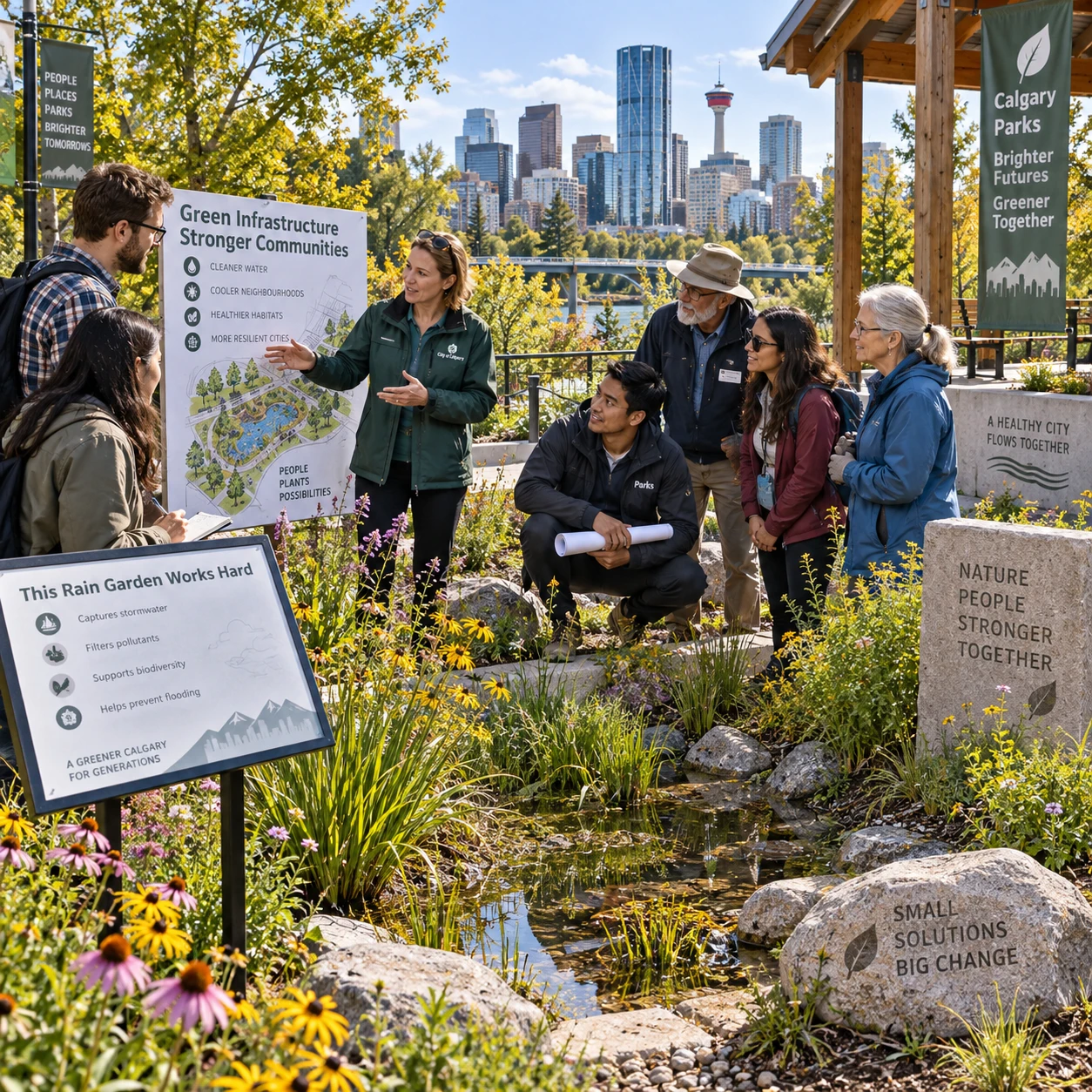
Green infrastructure shapes how communities manage water, create public spaces, and prepare for climate pressures. In Alberta, landscape architects can help connect the design of these systems with the policies that determine where they are built, how they are funded, and who maintains them.
The Alberta landscape architecture association can contribute by convening practitioners, sharing professional knowledge, and offering decision-makers an informed view of landscape planning. Its potential value lies in making technical expertise accessible and connecting policy goals to practical work on the ground, without assuming that advocacy means partisan campaigning or claiming specific initiatives without evidence.
What Green Infrastructure Means for Alberta
Green infrastructure is a connected network of natural and designed features that supports ecological health and community services, including stormwater management, shade, habitat, and recreation. For landscape architects, it is an integrated planning and design approach rather than a synonym for parks or decorative planting.
A rain garden beside a street, a wetland that stores runoff, a tree-lined route, and a naturalized channel can all contribute. These features may work alongside conventional pipes, roads, and treatment systems. Their value depends on how well they fit local soils, water conditions, land use, and maintenance capacity.
Alberta communities vary widely, so solutions need to respond to place. A design suitable for one municipality may not suit another’s drainage patterns, development pressures, or available resources. Landscape architects can help translate broad goals, such as reducing runoff or improving access to green space, into site-specific plans that consider both ecological function and everyday use.
This systems view matters: a single green space may offer limited benefits if it is disconnected from drainage networks, habitat corridors, and nearby neighborhoods. Municipal planning can help link those pieces across a community.
Why Policy Advocacy Matters
Policy advocacy matters because green infrastructure needs more than a good design: plans, budgets, standards, and long-term care arrangements determine whether projects are delivered and continue to work. Public policy can make these considerations part of routine municipal planning instead of leaving them to isolated projects.
Policies and planning tools can support early consideration of green infrastructure in land-use decisions, street design, redevelopment, and public-works programs. They can also clarify who is responsible for inspecting and maintaining features such as trees, rain gardens, and constructed wetlands. Without those arrangements, a project may look successful at opening and lose function over time.
Funding is another practical link. A municipality might approve a naturalized stormwater feature, but delivery still depends on capital budgets, suitable land, design coordination, and a realistic maintenance plan. Advocacy can help decision-makers understand these connected costs and benefits before construction, when options are easier to compare.
There are trade-offs. Green infrastructure can require land, specialized design, and ongoing care; it is not a universal substitute for engineered drainage. Strong policy supports a balanced approach, assessing performance and lifecycle responsibilities rather than treating every green feature as an automatic solution.
The Association’s Role in Advocacy
The Alberta landscape architecture association can support professional advocacy by representing practitioners, sharing evidence-informed expertise, and creating opportunities for dialogue with decision-makers. Its role is most useful when it helps connect professional knowledge to the questions policymakers and communities actually face.
A professional association may contribute through educational materials, public submissions, professional events, or meetings with municipal and provincial officials, where appropriate. These are general avenues available to associations; they should not be taken as claims about specific activities or policy positions of the Alberta association.
As a convener, the association can bring together landscape architects with different experience, from public-realm design to ecological planning and stormwater management. A consistent, carefully qualified professional perspective can help explain where design standards, procurement practices, or maintenance expectations affect project outcomes.
Credible advocacy distinguishes professional expertise from political endorsement. It states what is known, identifies uncertainties, and explains implementation limits. That approach helps decision-makers weigh recommendations alongside engineering, operations, finance, public health, and community priorities.
Landscape Architects’ Contributions to Policy
Landscape architects can inform public policy by showing how land, water, vegetation, and public space function together. Their design and technical knowledge can help turn broad aims such as climate resilience into requirements that can be planned, delivered, and maintained.
At a project level, landscape architects may assess site conditions, map existing assets, coordinate with engineers and ecologists, and develop designs for public spaces and green infrastructure. At a policy level, that experience can reveal whether proposed guidelines are workable on real sites and whether they address maintenance as well as construction.
For example, a streetscape plan might coordinate tree planting with utilities, pedestrian routes, and stormwater features. That coordination can help avoid conflicts that emerge when each system is planned separately. The policy lesson is practical: early, cross-disciplinary review can identify constraints before they become expensive design changes.
Landscape architects can also help define measures for evaluating projects, such as whether a feature performs its intended water-management role, remains accessible, or receives scheduled maintenance. Measures should match the project’s purpose; a single indicator cannot capture every ecological and public benefit.
Collaboration Across Alberta
Green infrastructure policy works best when municipalities, landscape architects, allied professions, communities, and landowners coordinate their decisions. Collaboration helps connect design intent with technical requirements, local priorities, budgets, and long-term operations.
Municipal planners can align green infrastructure with land-use plans and development review. Engineers can assess drainage and system performance, while arborists, ecologists, and operations teams contribute expertise on trees, habitats, and maintenance. Community members bring knowledge of how places are used and which needs may otherwise be missed.
Professional associations can make these conversations easier by creating forums for shared learning and helping translate technical language for non-specialists. They can also encourage early consultation, when a project still has room to respond to local concerns.
Collaboration takes time and can expose competing priorities. A community may value a naturalized space while operations staff need clear access for maintenance; a project may have limited land or funding. Naming these constraints early makes it easier to compare options and agree on realistic responsibilities.
Ways to Support Progress
Professionals and community members can support green infrastructure advocacy by bringing clear evidence, specific local questions, and practical recommendations to policy discussions. Productive participation focuses on how a proposal can work, who benefits, and what will be required to maintain it.
- For landscape architects: Share concise case examples, explain design constraints, and describe lifecycle needs alongside expected benefits. Where possible, distinguish measured project results from anticipated outcomes.
- For policymakers and planners: Invite relevant professional expertise early, review how green infrastructure fits municipal plans, and identify responsibility for inspection and maintenance before approving projects.
- For community members: Attend public consultations, describe how local spaces are used, and ask how a proposed feature will manage water, remain accessible, and be cared for over time.
- For association members: Participate in professional discussions, contribute accurate information, and help communicate landscape architecture’s role in public planning without overstating what a single project can achieve.
A useful way to assess a proposal is to ask three questions: Does it fit the site? Can the responsible organization fund and maintain it? Is there a clear way to evaluate whether it is working? Those questions keep advocacy grounded in implementation, not aspiration alone.
Frequently Asked Questions
What counts as green infrastructure?
Green infrastructure includes natural and designed systems that provide ecological and community functions. Examples include urban trees, wetlands, rain gardens, green corridors, and permeable surfaces, often coordinated with conventional infrastructure.
How can landscape architects influence public policy?
Landscape architects can contribute technical advice, participate in consultations, explain design and maintenance implications, and share project evidence. A professional association can help organize that expertise and communicate it to decision-makers.
Why does green infrastructure matter in Alberta communities?
It can support stormwater management, urban green spaces, habitat, and climate resilience when designed for local conditions. Benefits depend on appropriate planning, funding, coordination, and ongoing care.
How can professionals or community members get involved?
Join relevant association or municipal discussions, respond to public consultations, share reliable local information, and ask practical questions about site fit, project responsibilities, and maintenance. Start with the planning processes and engagement opportunities available in your community.